
-
What Doctors Want You to Know About ‘Catch-Up’ Sleep
You’ve spent Monday through Friday running on five hours of sleep, working late nights and waking up early just to do it all over again. On Saturday, you get 12 glorious hours of shut-eye and
-
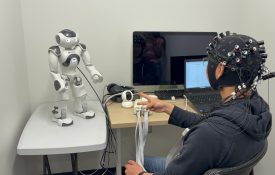
Member Spotlight: 2026 APS Spence Awardee Yuan Chang Leong’s Pursuit to Understand the Brain
Learn more about the Spence Awardee and his research into how social context and affect construct subjective experience.
-
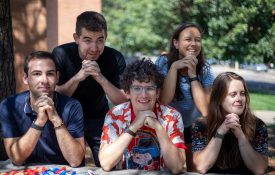
Member Spotlight: 2026 Spence Awardee Andrew Grotzinger on the Genetic Links Between Psychiatric Disorders
The University of Colorado Boulder professor writes about getting started during the “genomics revolution,” the future of psychiatric genetics research, and the importance of asking questions.
-
Emily Finn: Young American Scientist Studying How People Interpret the Same Things Differently
Neuroscientist Emily Finn often trawls Reddit for disagreements about television shows, movies, books or podcasts—any narratives that “evoke really different reactions in different people,” she explains. She is fascinated by the way individuals can walk
-
How We Chose the 2026 Young American Scientists
Scientific American used expert recommendations and data analysis to identify 28 exceptional early-career researchers. In late 2025 we asked the world’s top researchers a simple question: Who are the best, most promising early-career scientists working in
-
Songbirds Reveal the Dark Side of Making New Brain Cells as Adults
Every day the human body replaces billions of cells, flushing out the old and generating the new, healthy ones. The average lifespan of a red blood cell is just under four months, while skin cells last
