
-
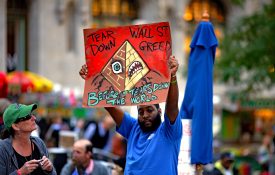
How the 2008 Recession Shifted Class Identity
A new study explores how the economic and social class of Americans changed after the Great Recession.
-
They Put Off Relationships Until They Earned Enough Money
… Some recent surveys have indicated that young women are earning more than young men, at least in some large coastal cities. Social pressure to marry young and have children has largely diminished in recent years.
-
We Still Don’t Believe How Much Things Cost
Deodorant was what changed Rob Cooper’s mind about the economy. After paying under $4 for his signature Old Spice Stronger Swagger for a decade, the 49-year-old was shocked last year to see it priced at
-
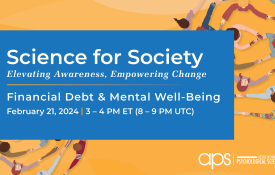
Spending, Saving, and Owing: How Finances Intersect with Behavior and Emotions
In a February Science for Society webinar, a panel of experts discussed the impact of financial debt on psychological well-being, the link between spending habits and happiness, and much more.
-
For Gen Z, an Age-Old Question: Who Pays for Dates?
During a recent dinner at a cozy bar in Upper Manhattan, I was confronted with an age-old question about gender norms. Over bowls of ramen and sips of gin cocktails, my date and I got
-
As Prices Increase During a Recession, Mental Health Usually Decreases
In periods of economic recession, negative mental health symptoms like depression, anxiety, panic attacks, and self-harm tend to increase, according to a study in Behavioral Sciences. Adverse changes in the labor market create wage cuts and layoffs.
